PHOTO SHOOT + ARTICLE
Individuality vs. the Microtrend
By Alex Lee
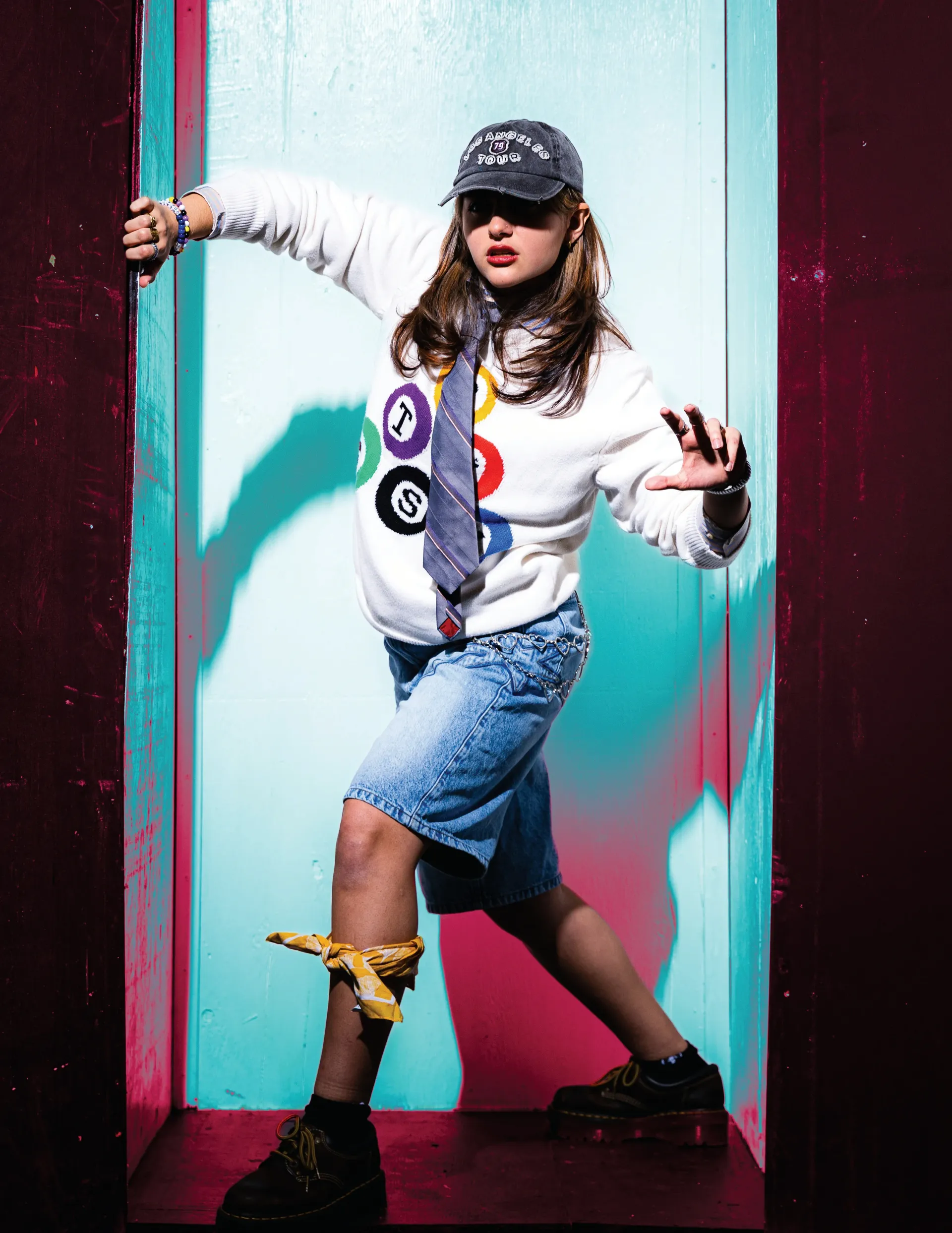
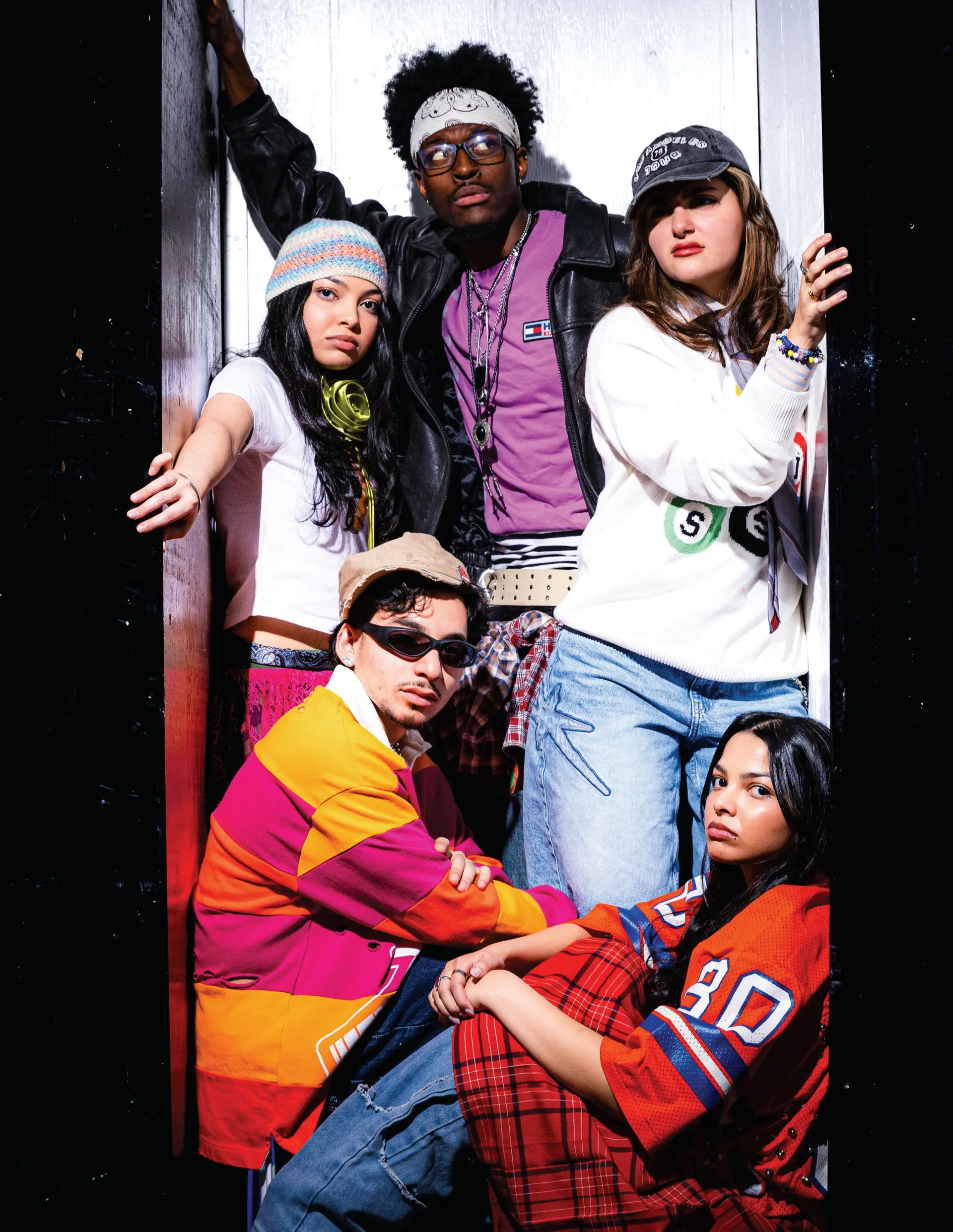
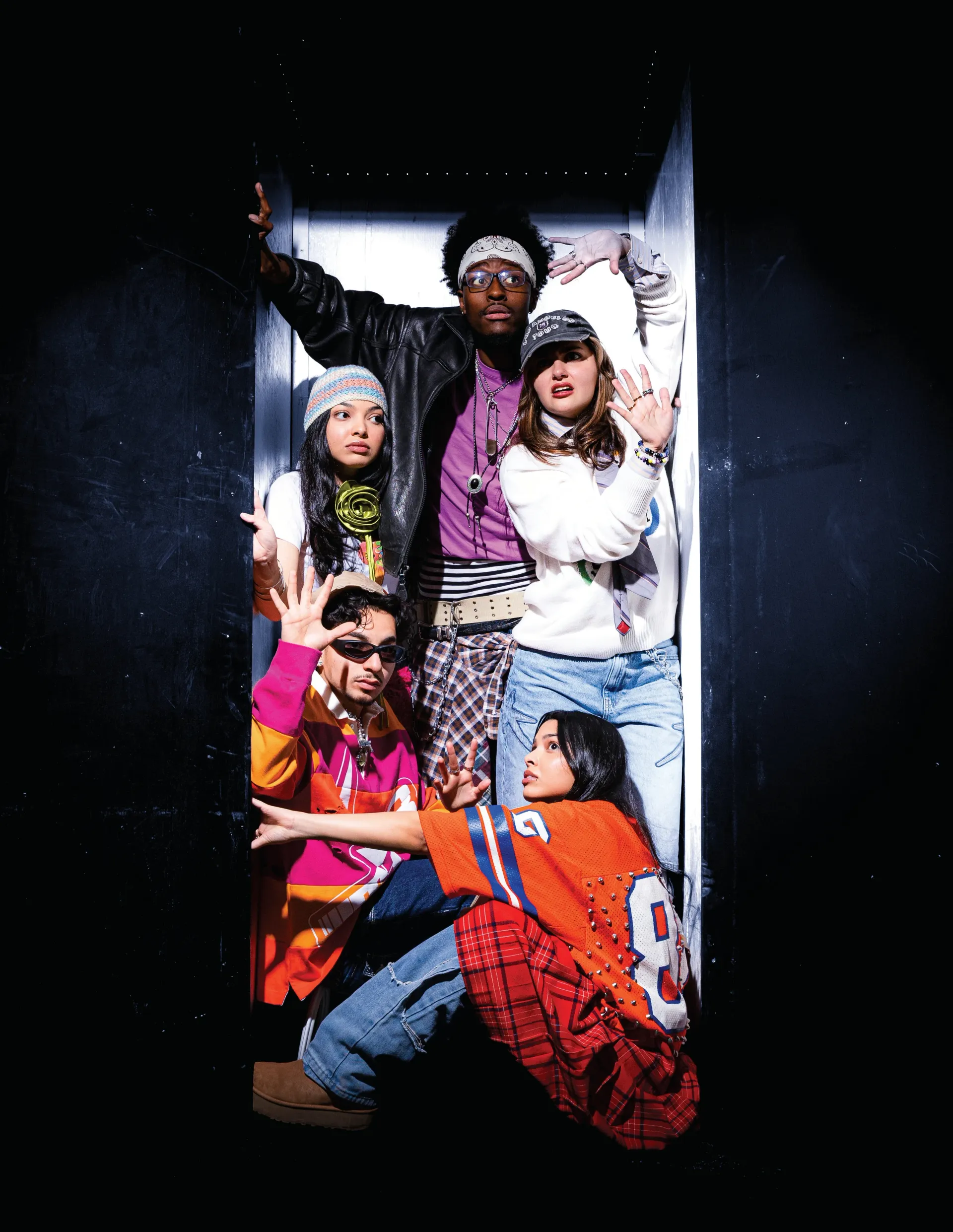
Models
Elijah Allen, Gerardo Lazo, Alex Lee, Zara Shamshad, Hana Shamshad
Stylists
Michael Alvarez, Monika Jakubowski
Directors
Erin Kang, Brandon Silva
Photographer
Giacomo Silvestri
Dread. A feeling that would hit me like a truck as soon as I would wake up. Reluctantly, I had to roll out of my warm sheets, pad across the room, just to blankly stare at my wardrobe. Jeans, t-shirt, hoodie. Jeans, t-shirt, hoodie. Jeans, t-shirt, hoodie–no that’s a crewneck.
I despised getting ready for the day, it wasn’t just a tedious task, it was a bitter reminder that my closet lacked a certain spark– a spark to motivate me to change out of my sweatpants and worn band tee. Why did I feel like this, I swore I had done everything right to dress well? I saved up and bought everything that caught my attention online, so why didn’t I feel the same dopamine rush I had when adding it to my cart? Let’s just say, I wasted all of my money on a closet in which nothing felt like me. Each article of clothing sitting in my closet was part of my failed attempt to be something I wasn’t. My reflection showed someone who was trying to be the picture from the Pinterest board rather than their true self. As a result, I failed to realize that my frustration wasn’t something personal; it was a symptom of a much larger shift happening within fashion as a whole.
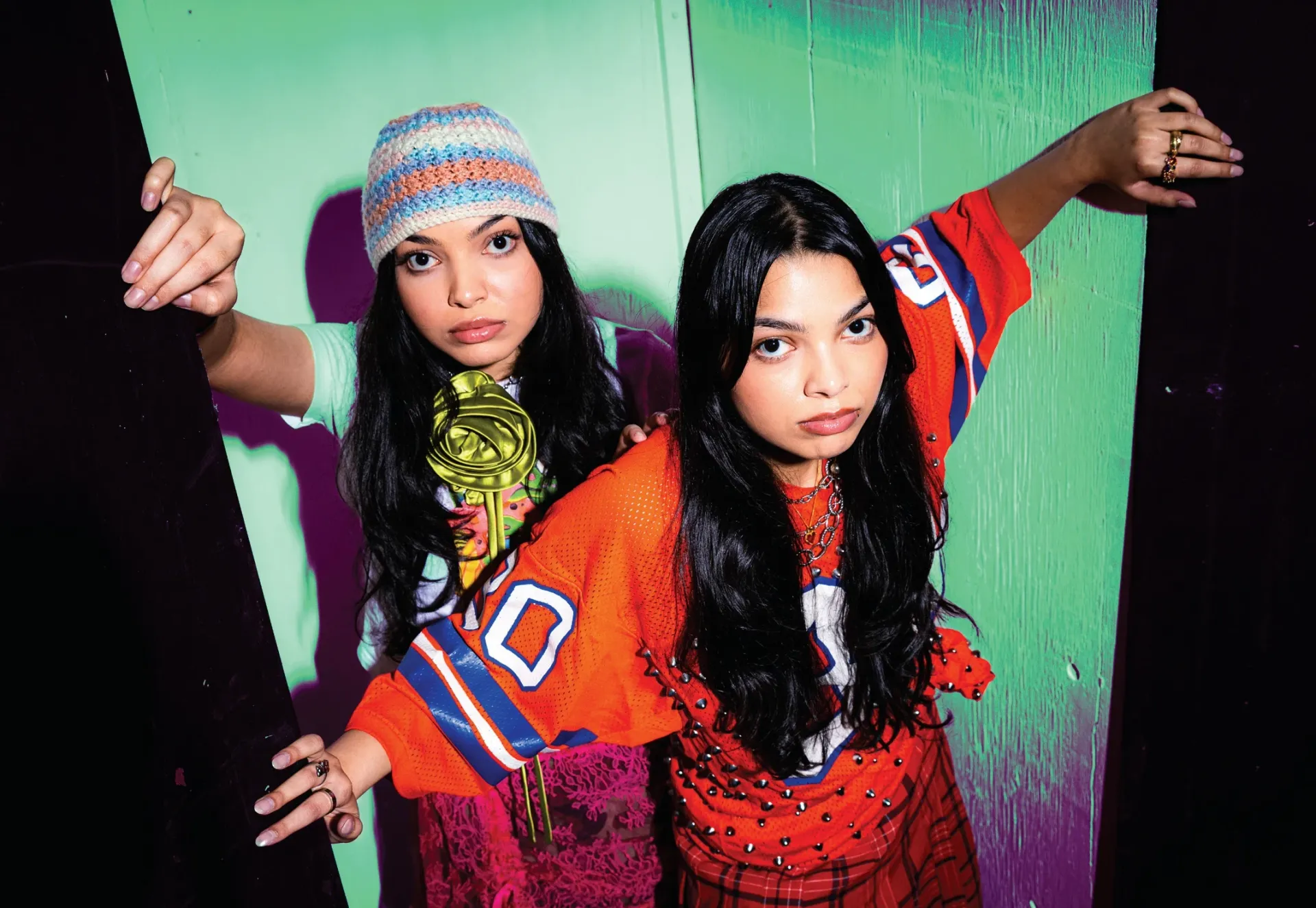
The cause of illness? The rapid cycle of trends and microtrends that run rampant throughout the fashion industry today. For example, the popularity of animal print, specifically leopard, caught momentum online only to die down within a matter of weeks this season. People quickly got bored of animal prints and jumped on to the next trend promoted by social media, faux fur. Fashion has always evolved with technology, and trends are no exception. Technology has progressed rapidly in the past five years, our attention spans have only gotten shorter, and trends have learned to keep up. The current flow of trends has resulted in clothes no longer having the opportunity to become a staple in a particular style or year. Sit down and ask yourself, what is a fashion trend that has become a staple to the 2020s?
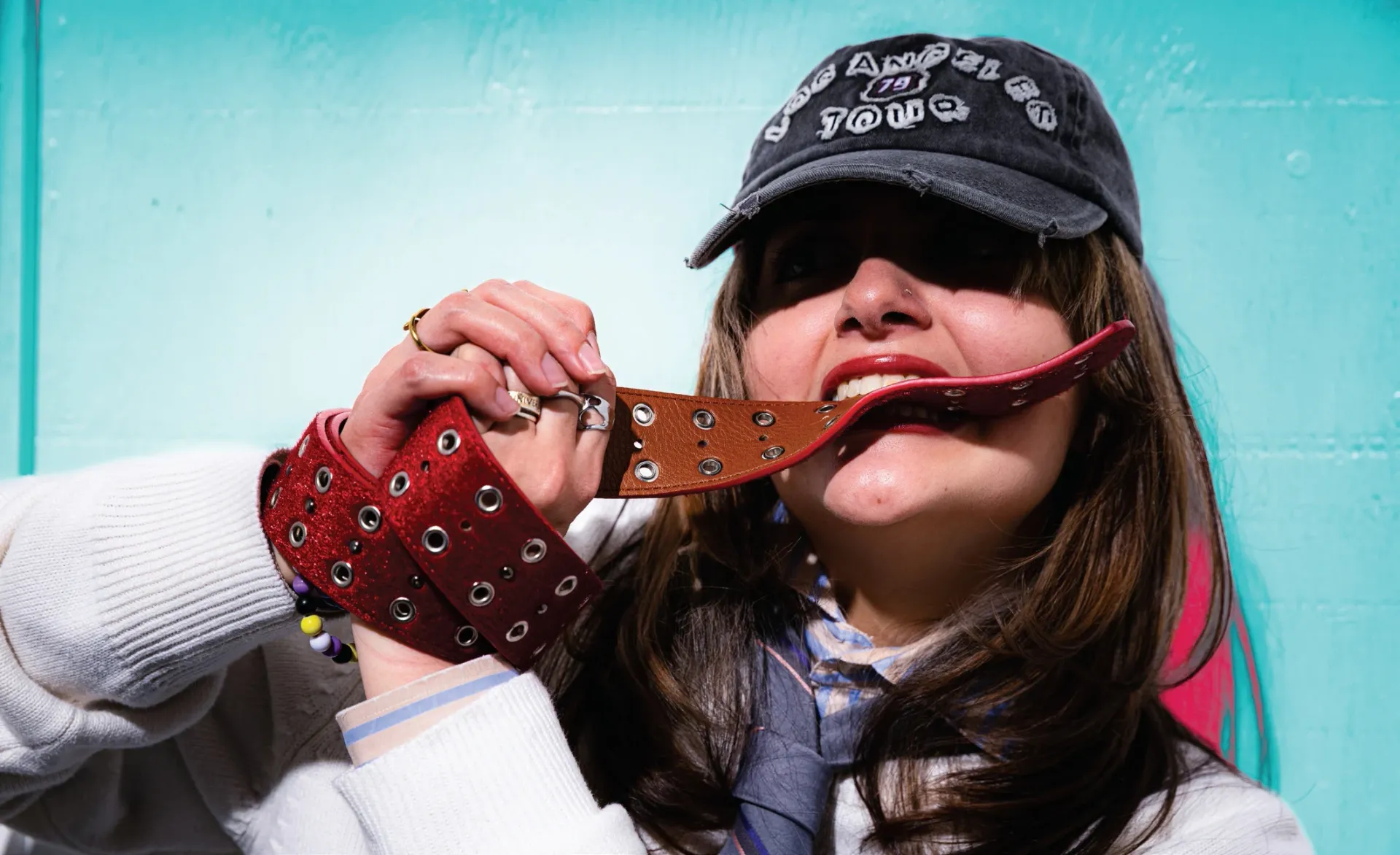
With this in mind, what does this mean for fashion and individuality? Has the sea of trends hindered us from discovering our own style, or has the sheer volume of trends created more freedom to explore and experiment with these rapidly changing ideas?
Open up any social media platform such as TikTok, Instagram, and Pinterest, it is easy to find a plethora of “outfit inspo” posts. This isn’t inherently a bad thing, but it has heavily influenced this culture of overconsumption and replication. When in search of outfit inspo, within seconds the internet funnels us toward fast fashion sites that can recreate exactly an outfit from a social media post.
Right now, areas of the industry are struggling to encourage creativity, deciding to depend on platforms that promote instant and trend-driven replication. This cycle explains the disconnect I had, where there was no intention to how I was dressing. When we allow our style to be something we consume rather than create, the clothing loses its ability to tell a story. Instead, it becomes another visual representation of whatever is popular and trendy.
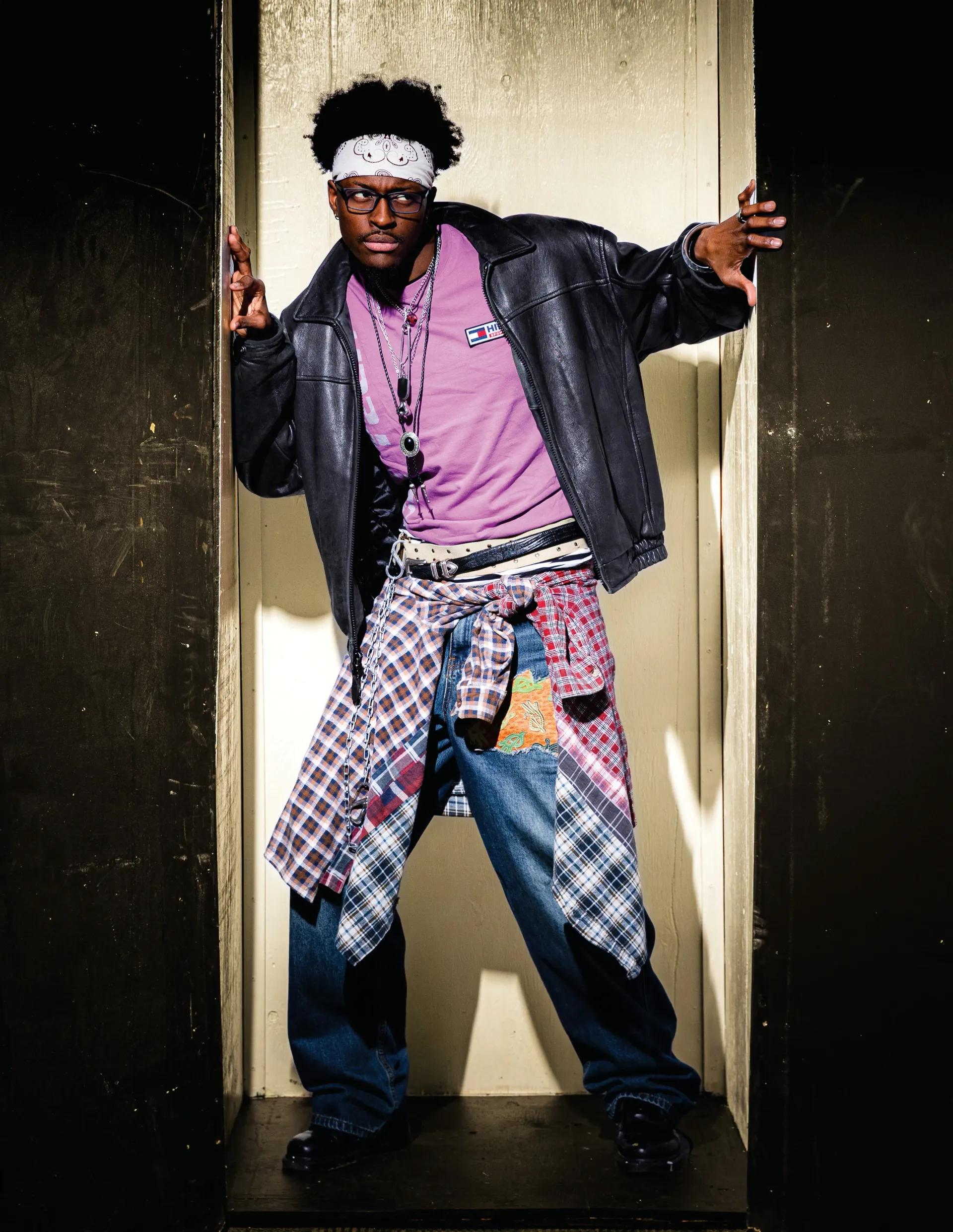
In essence. finding individuality isn't about standing out just to be different; it's about how you feel in what you wear and how that represents you.
When I look at the current state of fashion, I define it as overexposure and overconsumption. We are in an era where finding individuality in fashion is celebrated but to get there it requires greater intention. Personal style today asks us to look beyond the fifteen-second video; we have to take a second to ask why we like this outfit and what draws us to them? Does the clothing reflect our personality and interests, or does it just mirror our social media feed? Even so, the issue with creating a sense of style that reflects us isn’t trends themselves. Trends can be fun and inspiring, the problem starts when we allow trends to become the foundation of an entire wardrobe. I once allowed myself to fall victim to the fast paced trend culture. My reasoning: I was scared that if I dressed the way I truly wanted to I wouldn’t be able to fit in, I didn’t want to stand out more than I already did. I focused more on others and their perception of me rather than my own comfort and confidence. Over time, I’ve come to the realization that fitting in isn’t something I should chase after.
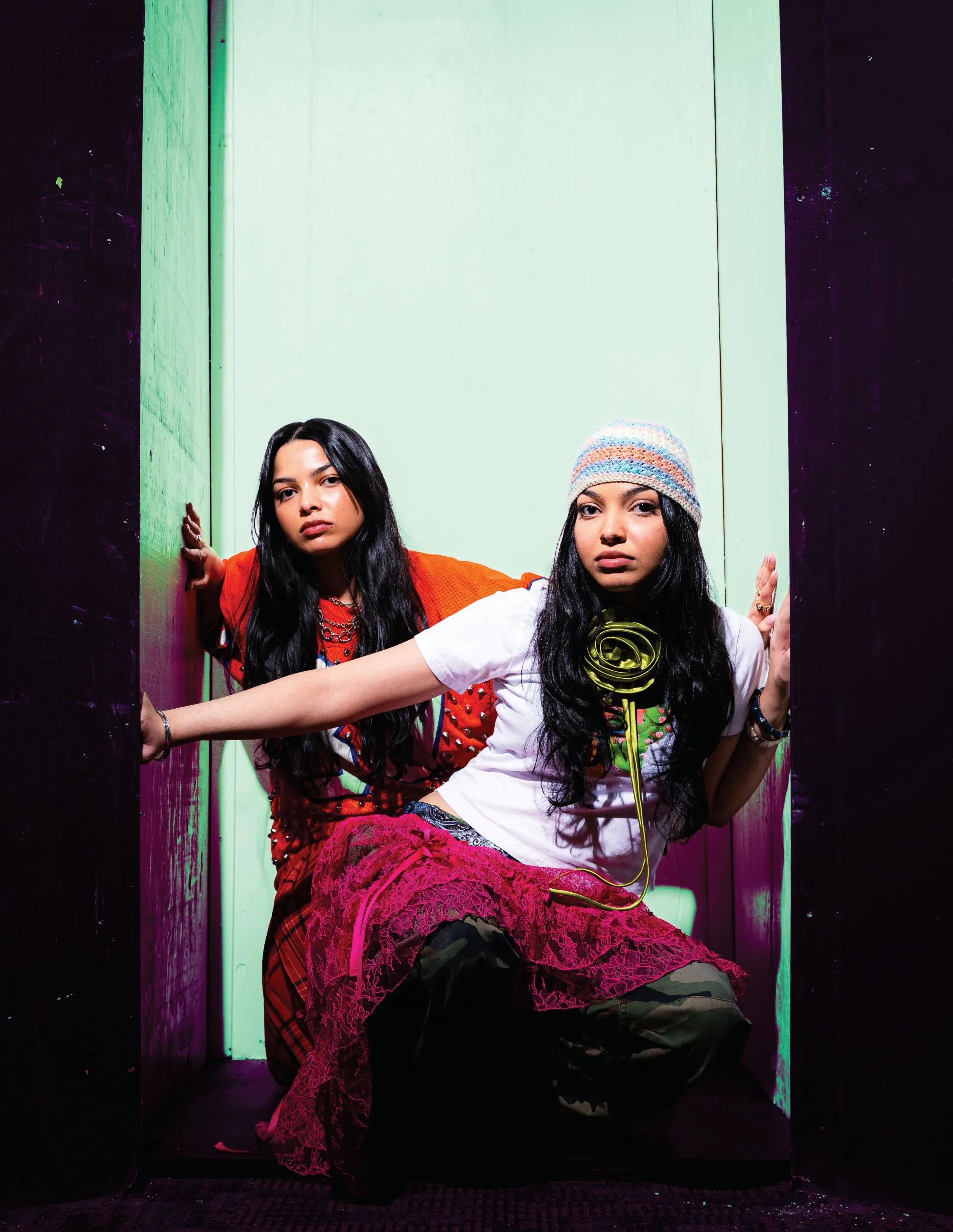
Now, I try to only buy what genuinely speaks to my character. Before making a purchase, I ask myself questions such as “How often would I really wear this?” or “Do I both look and feel good in this?”. Allowing myself to take a moment to question my intentions has changed how I interact with fashion. I choose to focus more on sustainability, supporting small businesses, and statement pieces, rather than hopping on what's blowing up on social media.
My wardrobe remains simple–mostly consisting of jeans, tees, and hoodies–but I’ve learned how to dress in a way that makes me feel confident. As my collection and style continues to grow, I value the confidence in my attire. What matters most to me is that I feel good in my clothes and I’m not trying to make anyone happy but myself. Even in just my silly graphic tee and jeans that have the most insane heel bite, I feel just as good as when I’m “fitted up”.
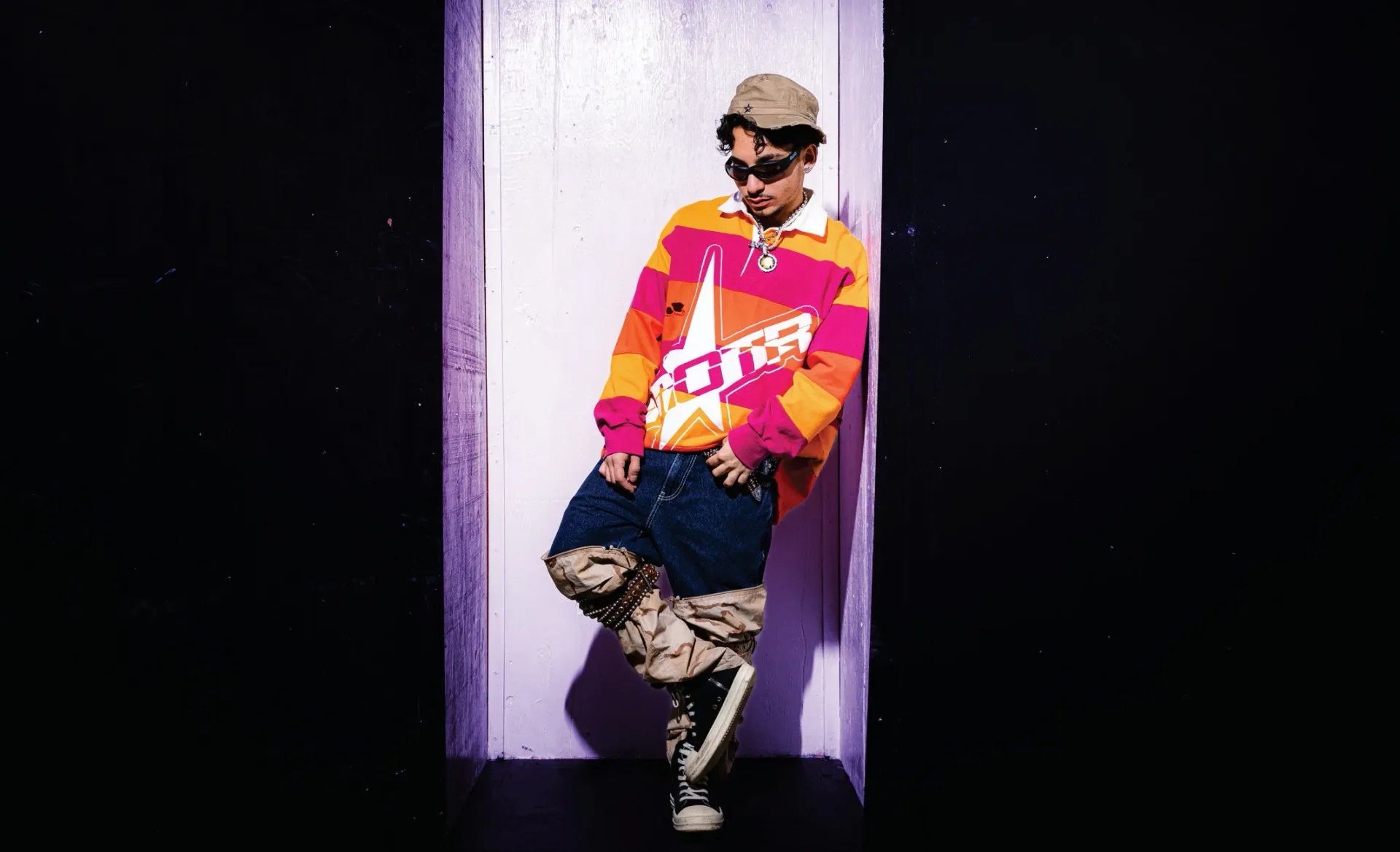
The current fashion industry thrives on speed and replication, so choosing to dress with intention and for yourself is an act of resistance. Individuality today doesn’t mean we need to abandon all trends to find ourselves, nor does it require for us to perfectly curate our own aesthetic. Individuality asks us for honesty–does it feel right and does it represent us as a person? So rather than personal style being about discovering what's new, it can be about giving yourself the permission to wear what feels right.
In essence, finding individuality isn’t about standing out just to be different; it’s about how you feel in what you wear and how that represents you. When we stop dressing as a performance for validation or the algorithm, clothing has the chance to become our true reflection. There is power in showing up as who you are–individuality will still find its way to shine through no matter how minimalist or maximalist your style is. The confidence you carry is the most stylish piece you can wear.