PHOTO SHOOT + ARTICLE
When Sticks Were Swords: The Playground
By Olen Taylor
Models
Mia Francica, Analea Nyktas, Tanay Patel, Veronica Rivera, Isaiah Smith
Stylists
Elijah Allen
Directors
Elijah Allen
Photographer
Giacomo Silvestri
When Sticks Were Swords: The Playground
Our job isn't to tell them how to build their future. It's to make sure nobody takes away their ability to imagine one.
Bowser’s Castle
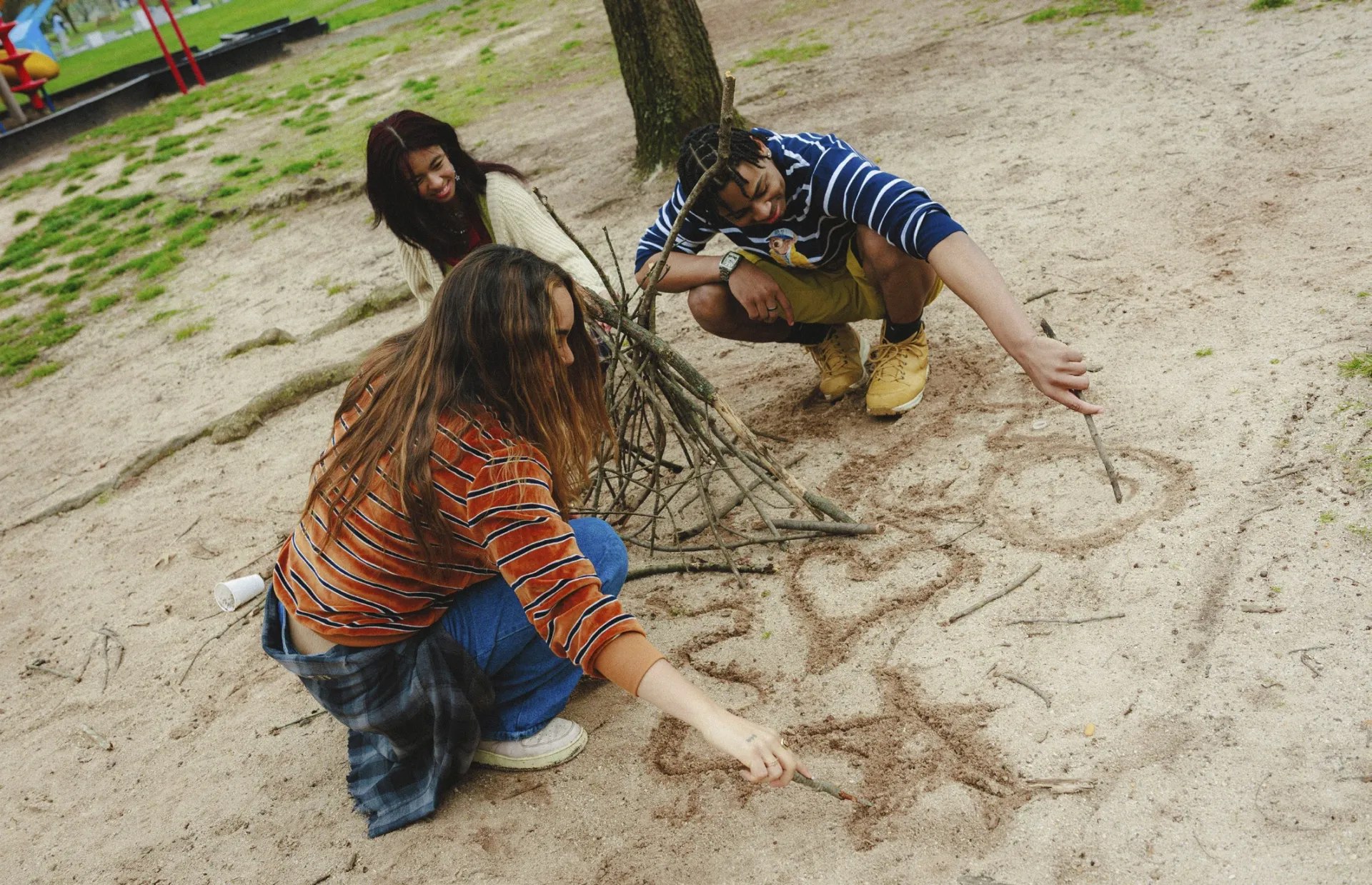
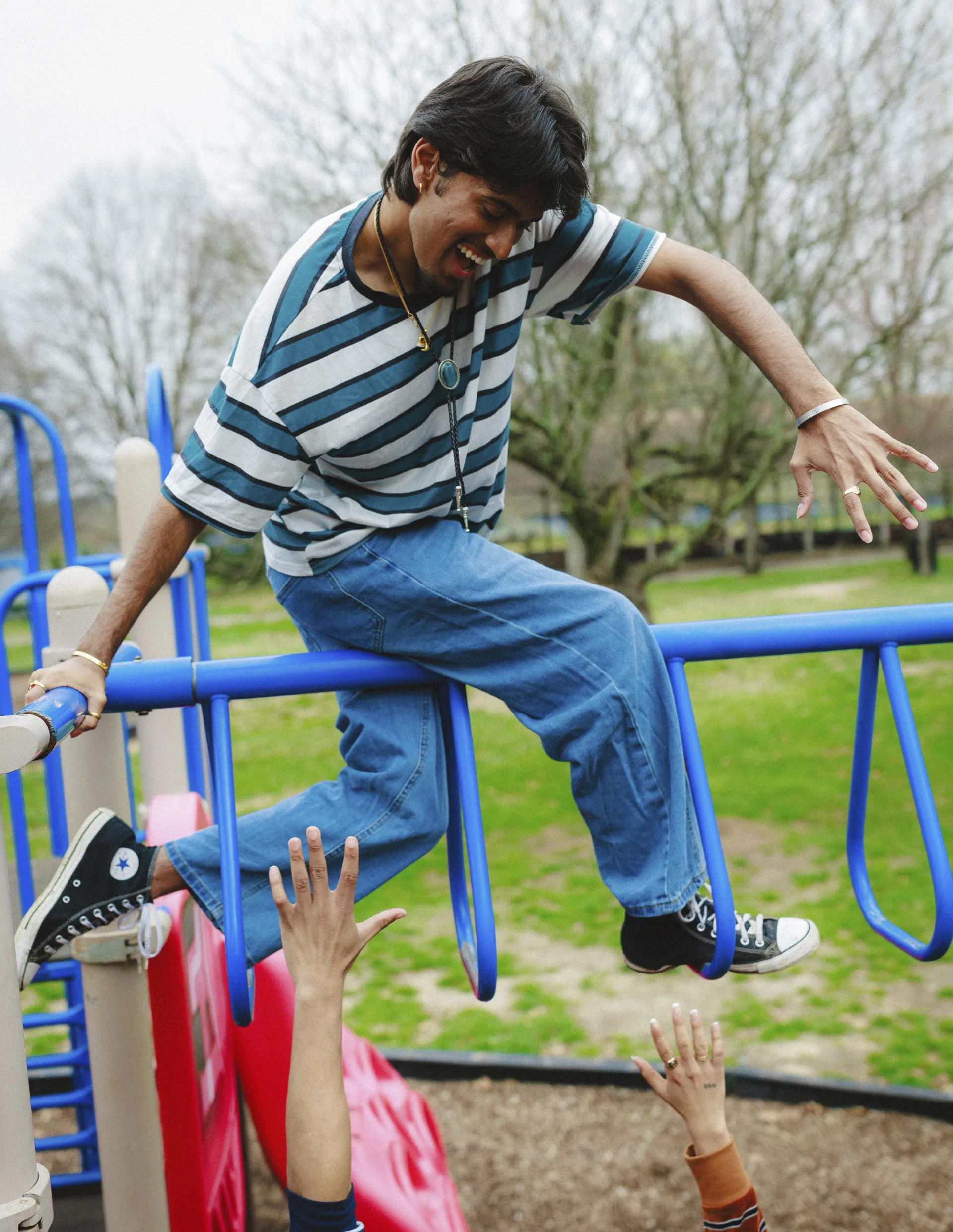
The air was thick with smoke and the smell of sulfur. Ahead of me, the gates of Bowser's castle. My feet burned as each step dug into the red-hot coals that littered the asphalt path. As I approached, the drawbridge slowly lowered. Behind this door was my princess. Once the gates opened, I ran through and didn’t look back. I jumped from goomba to goomba, I heard a familiar pop and gust of wind below my feet as they turned to clouds of smoke. Before I knew it, I found myself in King Koopa’s throne room. There she was, Peach, as beautiful as ever. The only thing between us was a wooden bridge, under which was lava. I heard a sudden thud. Behind me was Bowser himself. His fiery breath filled the room as he roared. He was unlike any goomba I had ever encountered. I managed to dodge the fireballs expelled from his gullet, but my attacks didn't seem to make him flinch. With a single swipe of his heavy claws, I found myself on the floor. His foot slammed into my chest, and the air was forced out of my body. The room began to go dark. I thought for a moment, it was over, until an energy sword skidded across the platform and stopped next to my hand. To my right was Master Chief. He had just saved my life. Bowser's castle—the jungle gym—and Master Chief—my friend Ronnie. We were five. We were completely serious. Every bone in our body told us that moment was real. The stick Ronnie slid me was unmistakably a sword. Nobody taught us to dream within a limit, so we didn't.
The Stick Is Just a Stick
Somewhere along the way, the world began to discourage a vivid imagination, nowhere more apparent than the last time I stood in a voting booth. As I walked through the doors of the elementary school where the poll was located, I had no vision of a princess, nor a reward for my community at the end of my civic duty. Instead the process felt like a chore. I was left with a question: when did we Olen Taylor stop dreaming? We are conditioned by a political culture of uninspiring promises and disappointment to no longer be inspired by our leaders. When we stop believing that something extraordinary is possible, we stop looking for it. That includes in our candidates, in our communities, in ourselves. And without that belief, politics stops feeling like an adventure worth going on. Politicians start looking like shady business men, and sticks start to look like sticks.
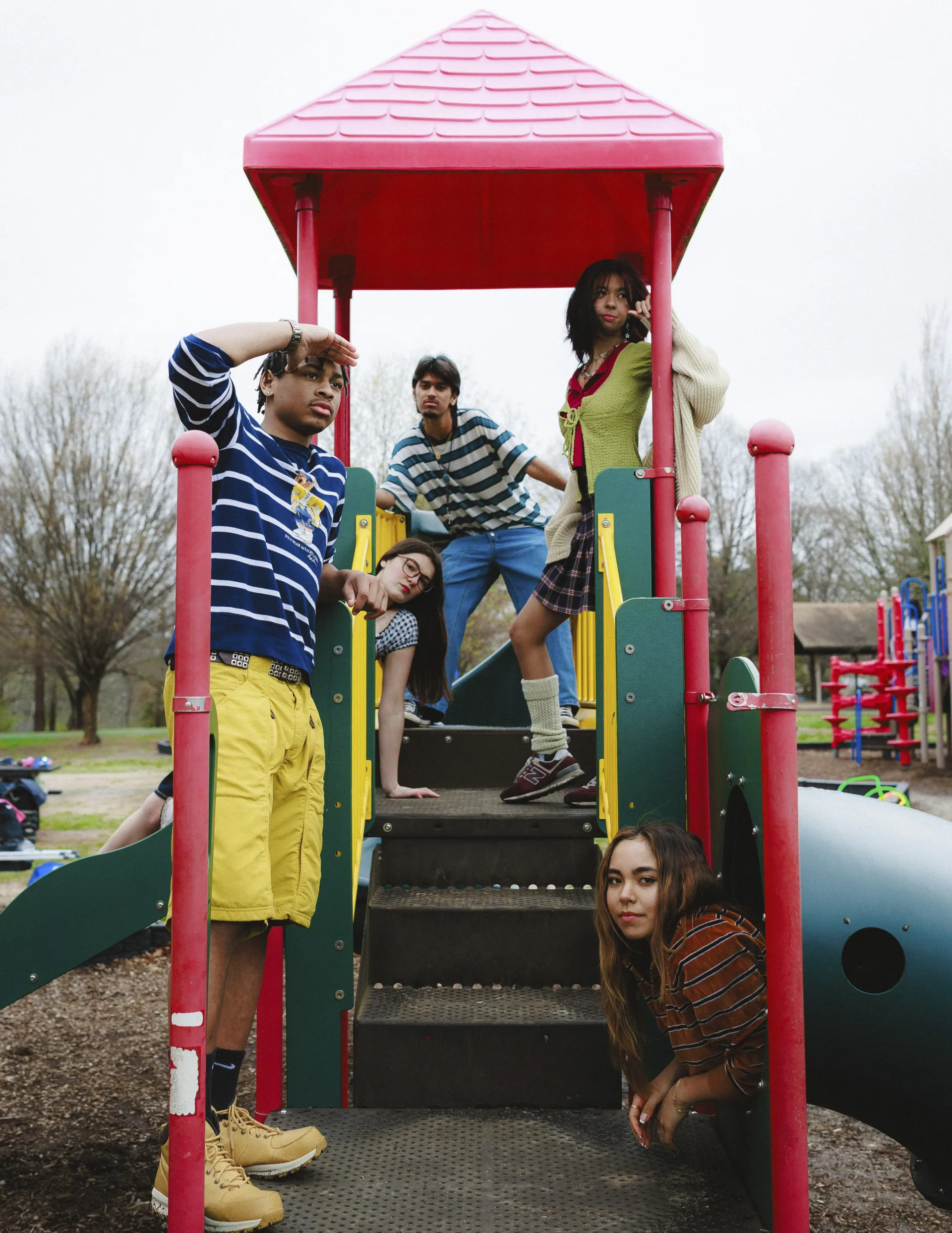
Mechanisms of Dreams
On my way out, I passed a window that looked out onto the school's playground. Instantly memories of my time as Mario flooded my mind. I reminisced about those times, when I used to dream feely. Back then, nobody told me I was naive. Today, my dreams are dismissed as too ideological, instead we are told to accept that we will not be around long enough to see our fantasies become reality. The unfortunate result of that is our civic participation becomes hollow, our biggest dreamers don’t vote because they aren’t inspired anymore. We are in a crisis of imagination in our politics, and we must turn to our playgrounds to keep the American dream alive.
It is in those early moments, we innocently engage with the world that is material, and for the first time, superimpose what we believe the world should be on top of it. A rock becomes a goomba, and a stick becomes an energy sword. What’s beautiful is that we live in these worlds together, before the world places us in categories which divide us as we age. It is the wild imagination of a peer that makes a kid feel, hear, and see it too. When Ronnie slid that stick across the mulch, he didn't tell me to imagine it as a bigger stick, he told me it was an energy sword. That distinction matters. A bigger stick gives me nothing to fight for. An energy sword makes me want to leap off the ground and save the world. The grandness of his dream pulled me into it, and suddenly I could see everything he saw. That is what an inspired dream does. It doesn't just live in the person who dreamed it, it ignites something in everyone around them. Today, nobody is sliding us energy swords. Our leaders offer us bigger sticks in the form of modest promises, managed expectations, and incremental progress. They then wonder why we can't find the will to pick them up. Our innocence does not naturally die. It is a capacity that is trained out of us, one uninspiring offer at a time.
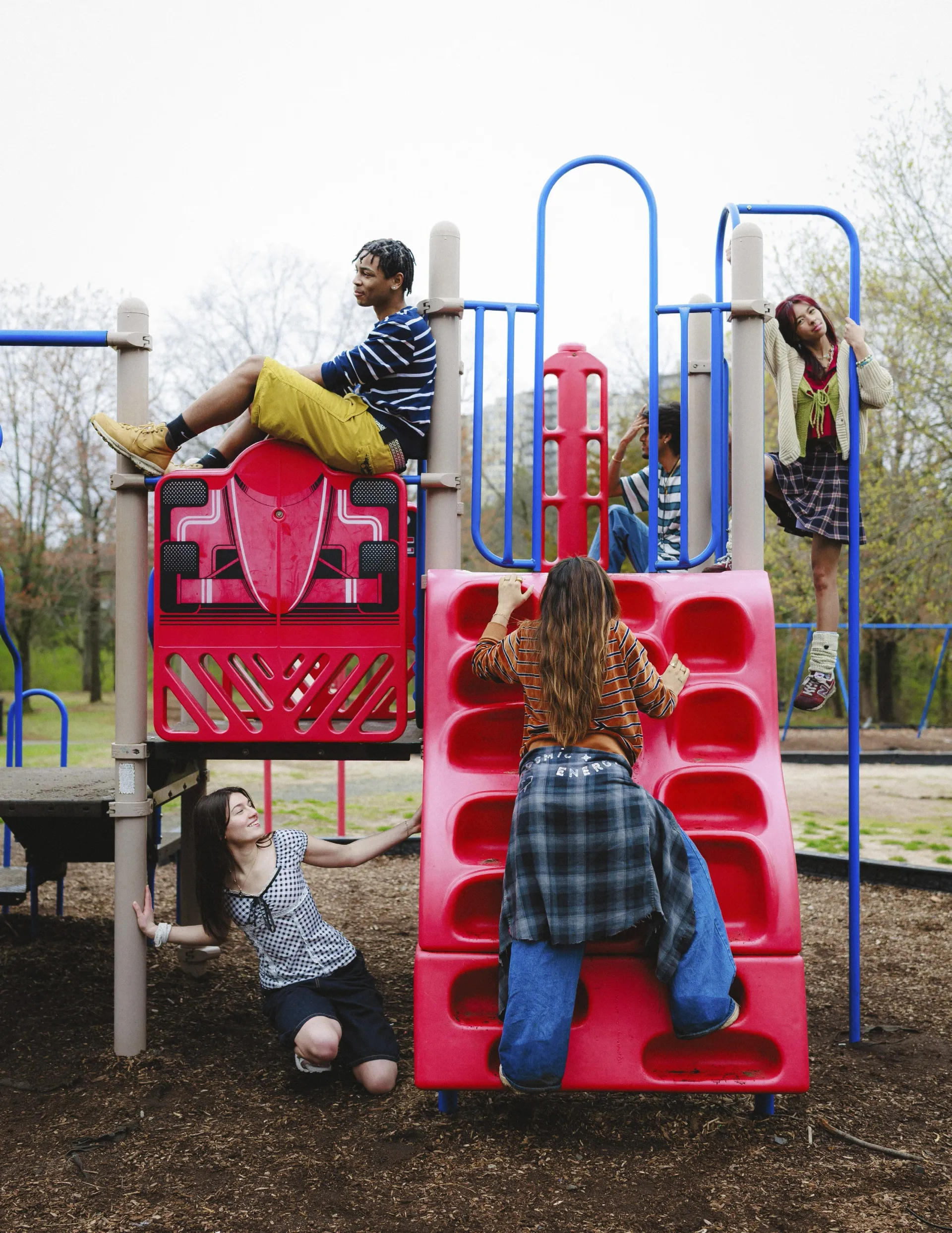
Mechanisms of Doubt
Think about what happens to a dreamer who enters a large organization such as a government agency, a corporation, a university. The vision that brought them there runs headfirst into layers of approval, committees, and institutional inertia. Eventually they learn that compliance is rewarded and vision is not, so they tuck the dream away for job security. Those of us who don't are punished for it. We’re called naive, idealistic, unrealistic, until enough closed doors teach us to stop knocking. And the ones who do accumulate enough power and credibility to finally be heard? More often than not, they got there by working within the system, which means they've already traded away the wildest parts of their imagination as the price of admission. What these forces produce, slowly and quietly, is a generation that has mistaken realism for wisdom. While it’s true that a certain dose of realism is useful, it helps you navigate the world as it is. But the moment realism becomes a ceiling rather than a floor, we have already surrendered any ambition of building something grander than the world in front of us. We stop seeing energy swords. We just see sticks.
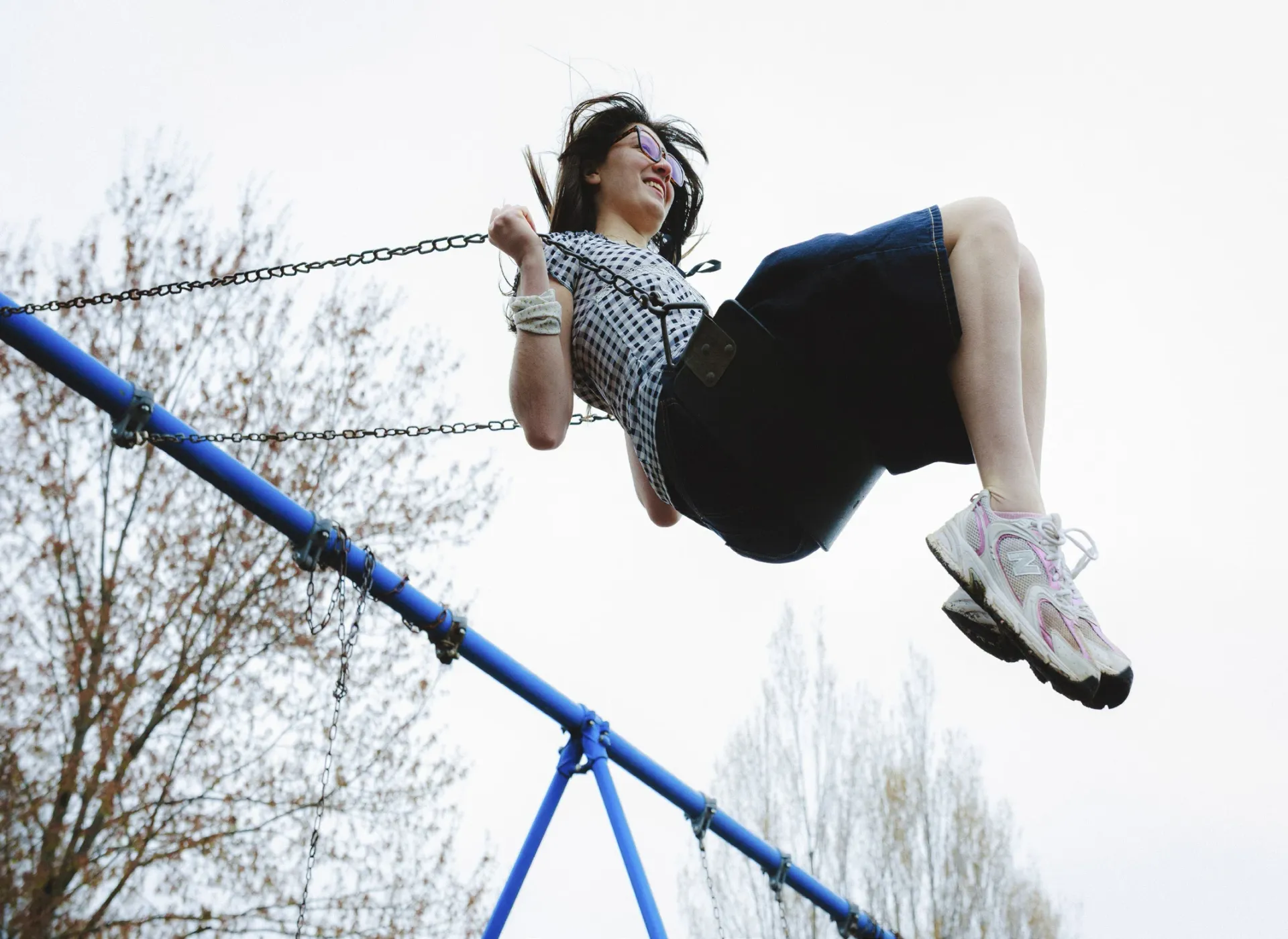
The Castle is Still There
A dream created an energy sword for me when I needed it most. When my life was threatened, it allowed me to break free from Bowser's grasp, to cut the chain link that held the drawbridge up and dropped Bowser to a fiery end. In American history, regular citizens, leaders, and organizers conjured solutions with their backs against the wall, just like we all did in that jungle gym, when the stakes were unimaginably higher. Labor organizers demanded a 40-hour work week that today we see as commonplace, and they didn't take no for an answer. Civil rights leaders demanded liberation. The suffragists marched for a vote many of them would never live to cast. None of them were being “realistic”. All of them were being imaginative.
A dream created an energy sword for me when I needed it most.
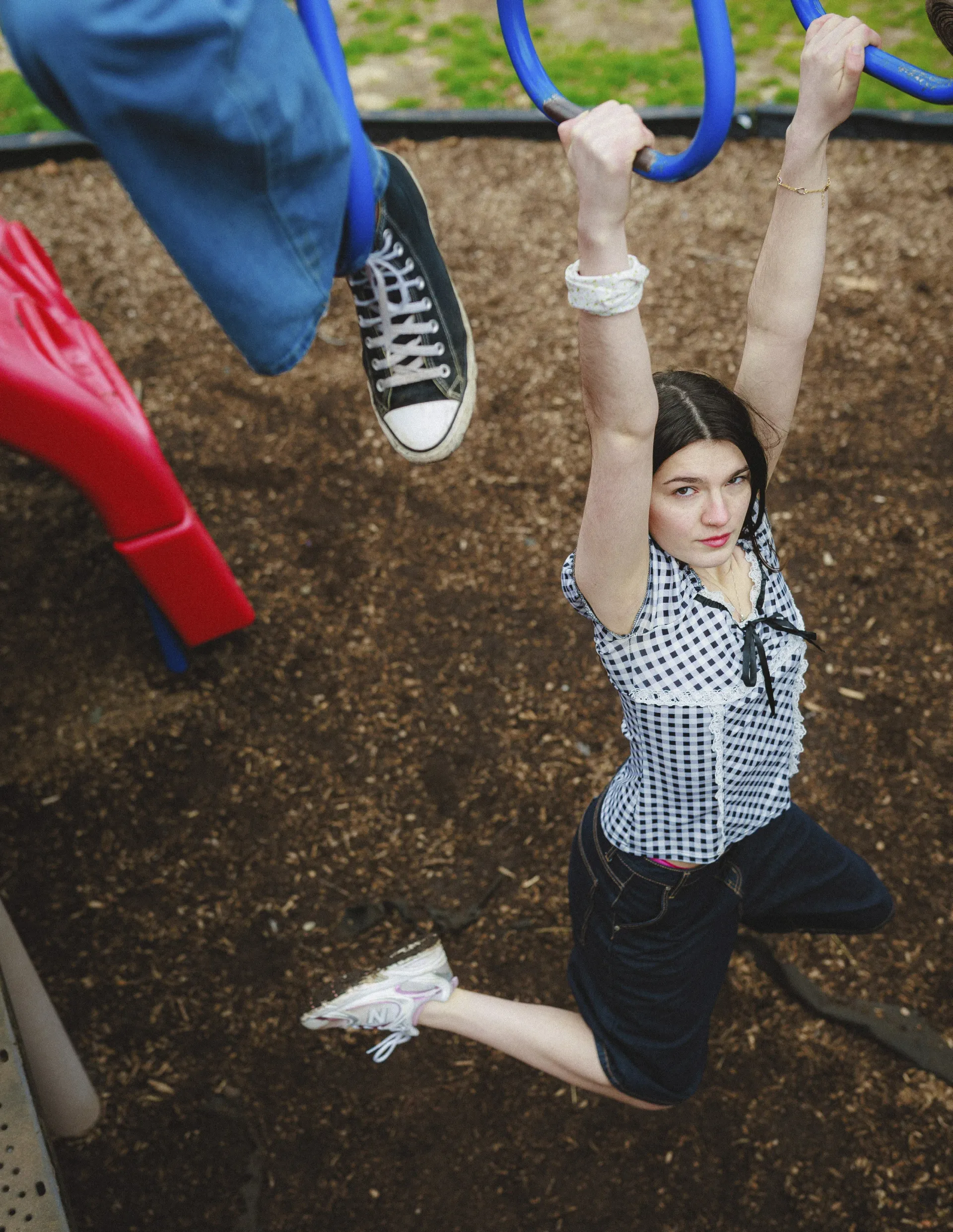
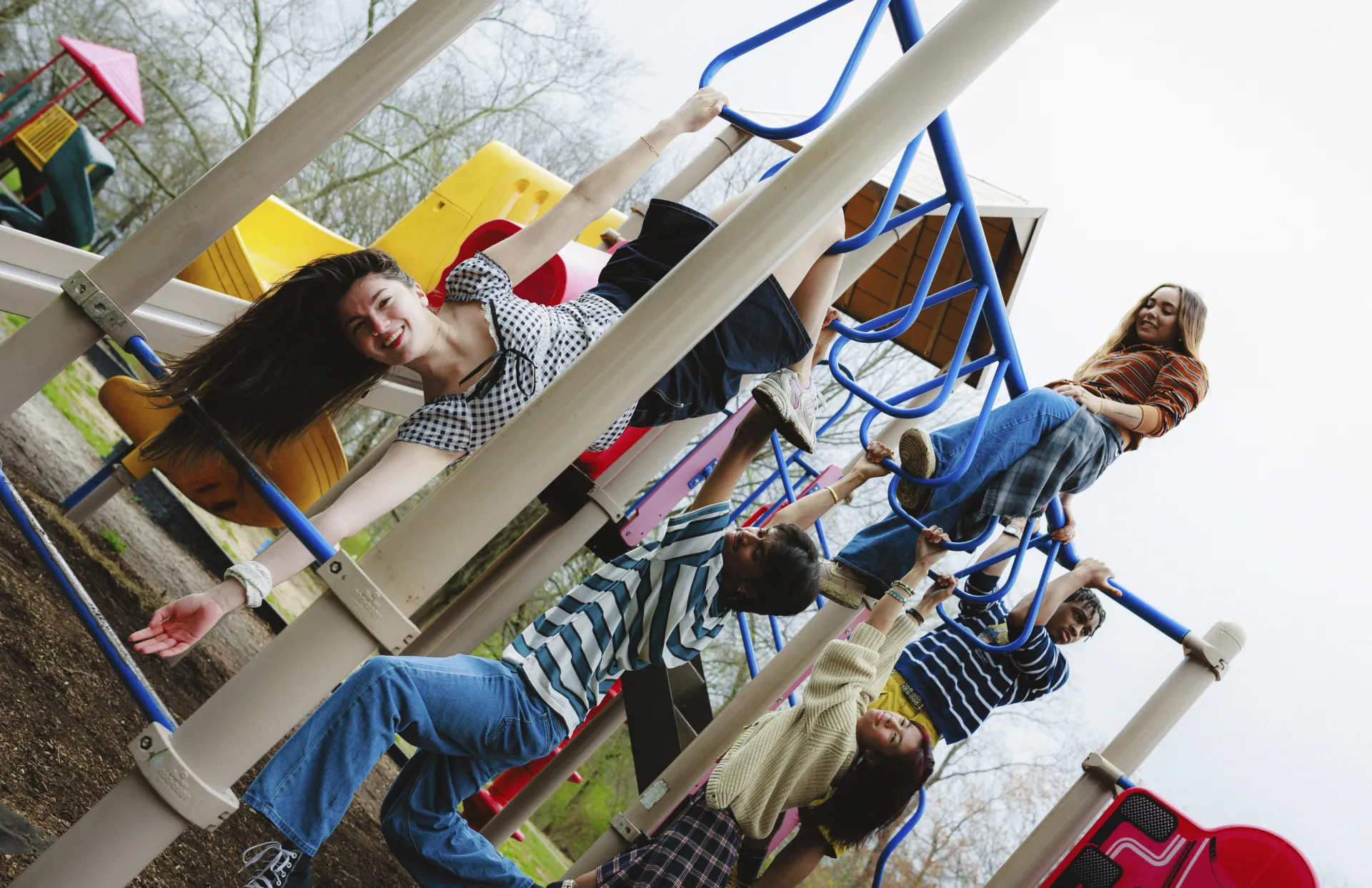
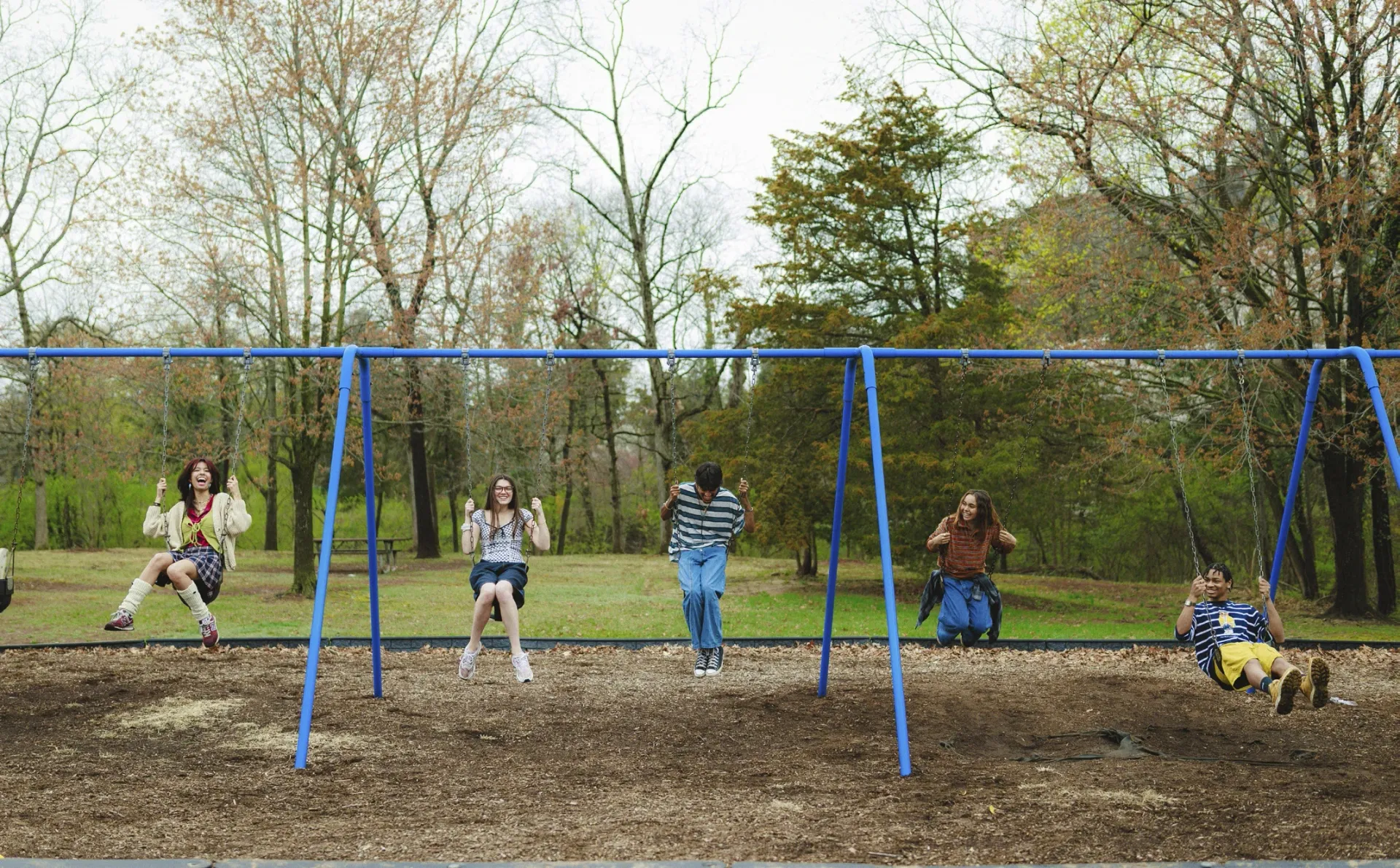
Wild imagination has been the core mechanism behind everything we should be most proud of as Americans. These were people faced with rejection and barriers at every turn who never let their imagination be extinguished. As I walked past the window of that elementary school on my way out of the polling booth, I was relieved to see kids still on the playground. A canvas of dreams realized through noise and motion. Sticks becoming swords, blacktops becoming NBA stadiums, the whole world remade in a recess period. This is happening in playgrounds all across America right now. Somewhere, a kid is pulling on a pair of overalls, practicing their best Mario impression, and stepping outside to live out in a world full of possibility they have no reason to doubt yet. Our job isn't to tell them how to build their future. It's to make sure nobody takes away their ability to imagine one. The question isn’t whether people are still dreaming. It’s whether the next generation of young leaders can hold onto it and, when the time comes, answer the call to change the world.