PHOTO SHOOT + ARTICLE
The Beauty of Unclean Hands: Mudpies
By Oriana Brittingham
Models
Gracie Patafio, Bebe Smith
Stylists
Bebe Smith
Directors
Elijah Allen
Photographer
Jamal Lovieno
The Beauty of Unclean Hands: Mudpies
There’s a specific kind of nostalgia tied to childhood mess—the kind that clings not just to memory, but to feeling. It lingers in the blur of long afternoons spent outside, where time stretched endlessly and nothing felt urgent except making sure we got home in time for dinner. We didn’t hesitate before getting our new school pants covered in grass stains or collecting chunks of dirt under our fingernails. We were shameless in our joy, unafraid of scraped knees and unconcerned with how we looked. We moved freely without hesitation, without that subtle voice that now asks us to be cautious, to stay clean, to be presentable. There was something sacred in that carelessness. We were fully immersed in our play and the world around us. The mess wasn’t something to fix, it was evidence of our presence and a joy that didn’t need to be explained. It’s the kind of freedom that feels distant now, softened and romanticized with time, yet still aching in its absence, as if some part of us is always trying to find its way back there.
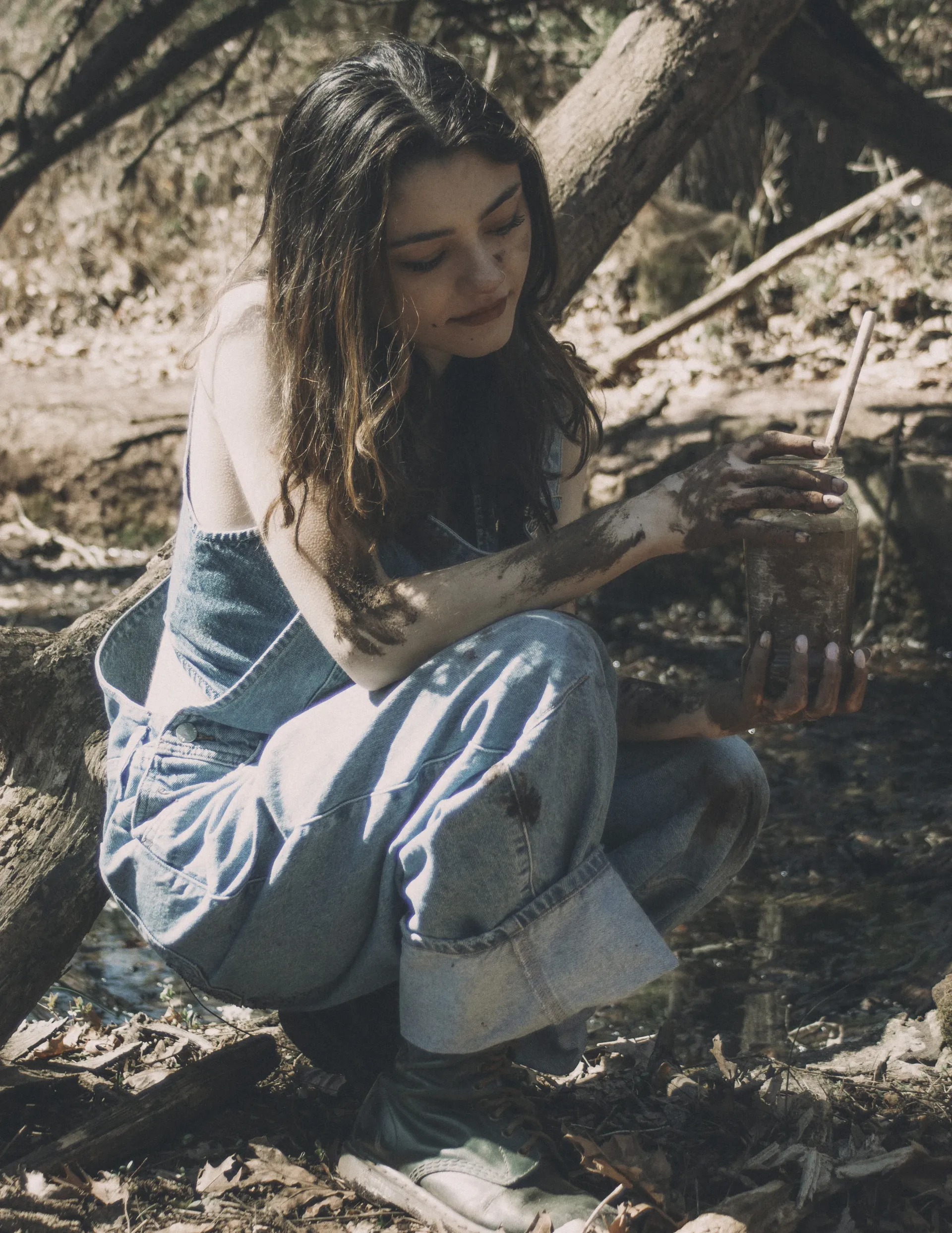
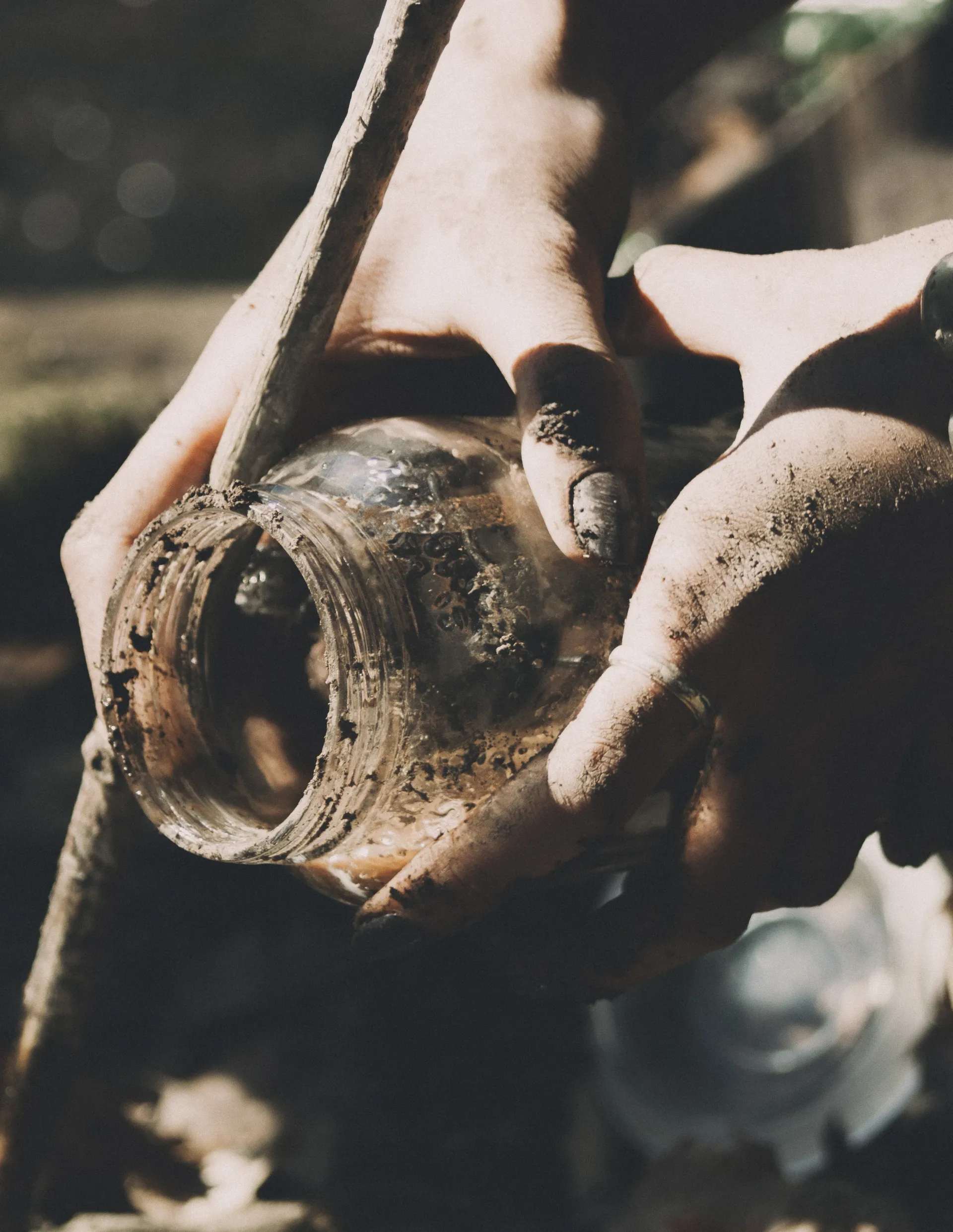
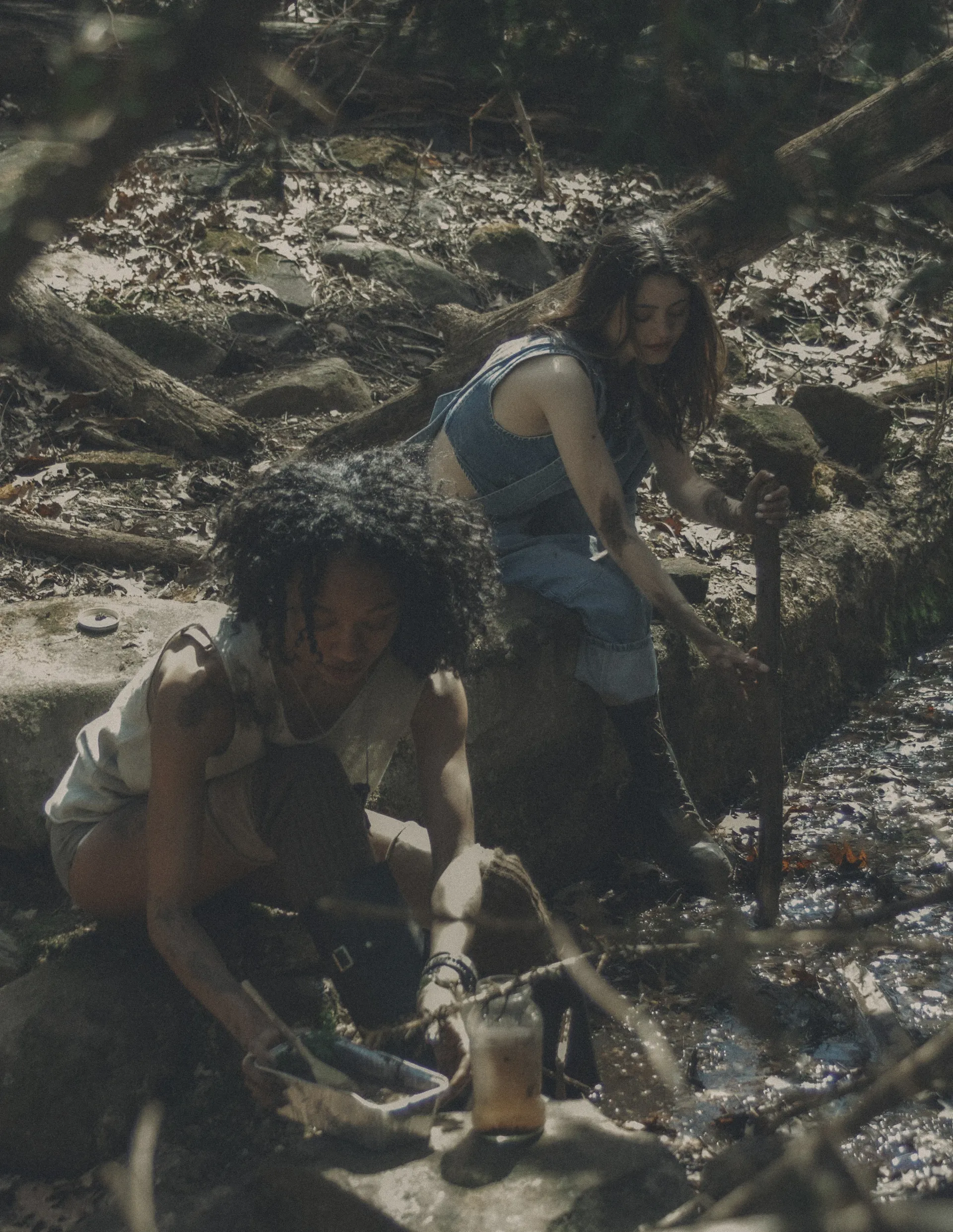
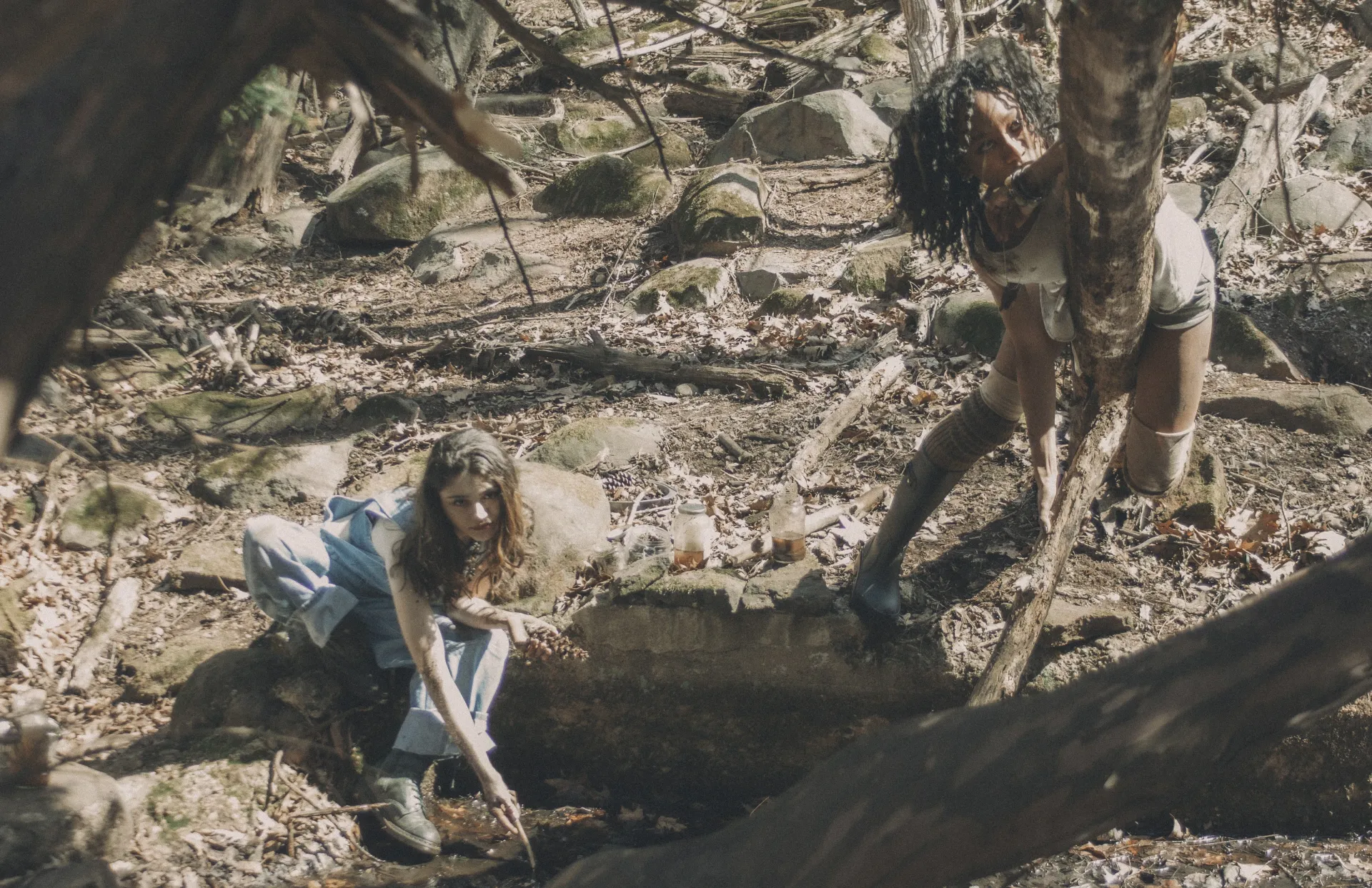
“Mud Pies” pushes back against the quiet pressure to always appear polished, composed, and aesthetically clean. As children, dirt meant something entirely different. Getting messy wasn’t embarrassing—it was a sign we were actually living. We were outside, hands in the earth, building something out of nothing. Making mud pies was messy, imaginative, and completely unserious in the best way. We would scoop up dirt, press it between our fingers, decorate it with leaves and sticks, and proudly present it as if it were a five-star meal. The mess wasn’t something to hide. It was proof that we had been there, that we had touched the world and shaped it, even if only for a moment. Of course, our parents didn’t always share the same enthusiasm. Mud pies rarely made it past the front door without an immediate rejection from our parents. It was fine dining in our world, even if it meant being promptly turned away at the door—and sent straight to wash our hands.
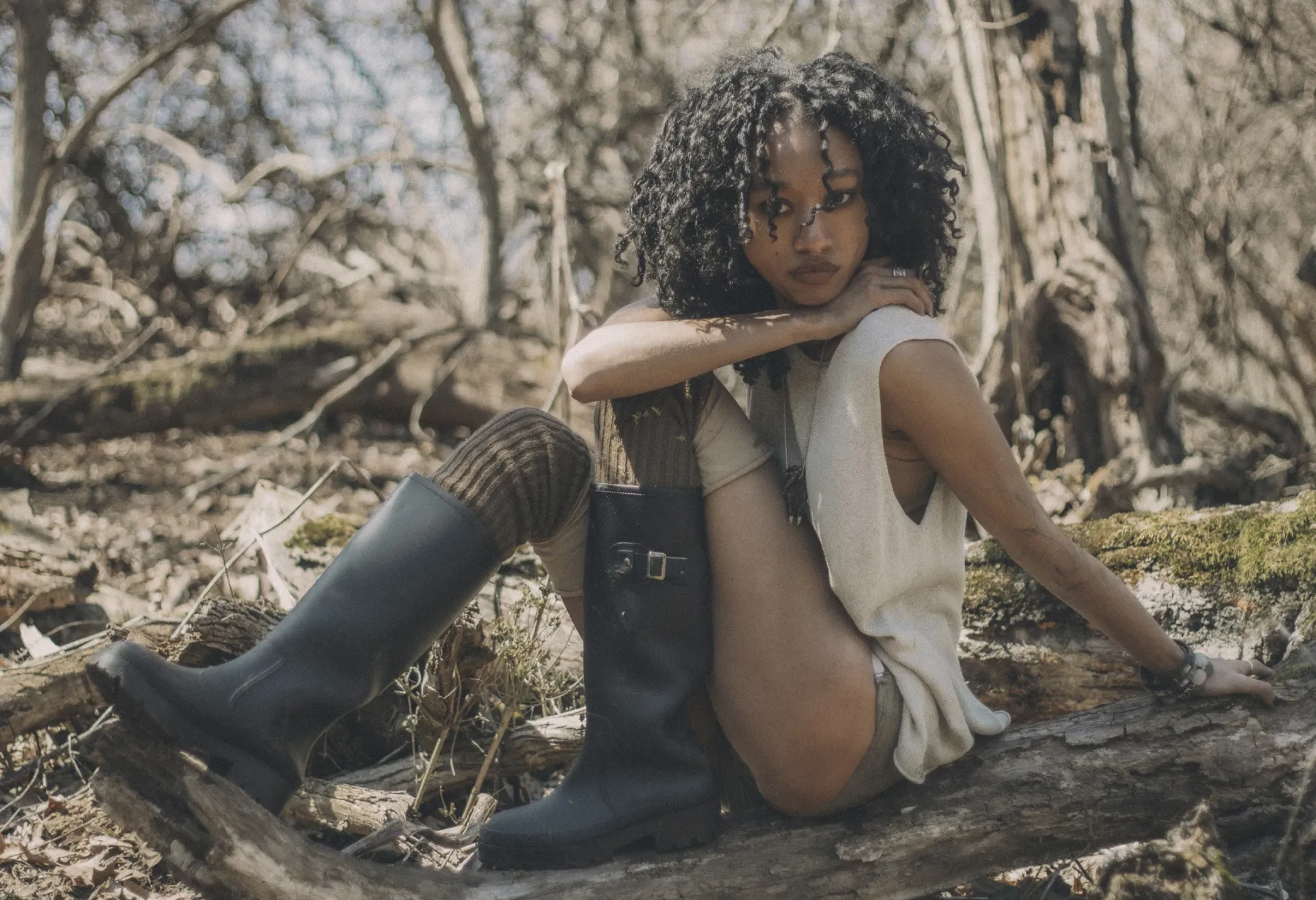
Unpolished, Unbothered
There was a sense of freedom by it that feels almost radical in hindsight. Nothing had to be perfect. Our hands were caked in mud, our clothes stained with grass and dirt, and none of it mattered because the joy was in the process itself. The earth beneath our hands felt alive, grounding us in a way we rarely notice as we grow older. Dirt wasn’t something to fear or avoid, it was something we trusted.
That freedom doesn’t just disappear—it just gets buried under everything we’re taught to value as we grow. In those early moments, there was no separation between ourselves and the world around us. We touched things without hesitation, spoke without overthinking, created without questioning whether it was good enough. It taught us something important, that there is value in experience itself, not just in how it’s perceived. Eventually, we begin to trade that instinct for awareness of how we look, how we’re received, or how we might be judged. But there is something worth holding onto in that earlier version of ourselves. To stay open, even when it feels easier to hold back. To move through the world without constantly refining ourselves. To connect not just digitally or at a distance, but physically and honestly with people, with places, and with the ground beneath us. To remain shameless.
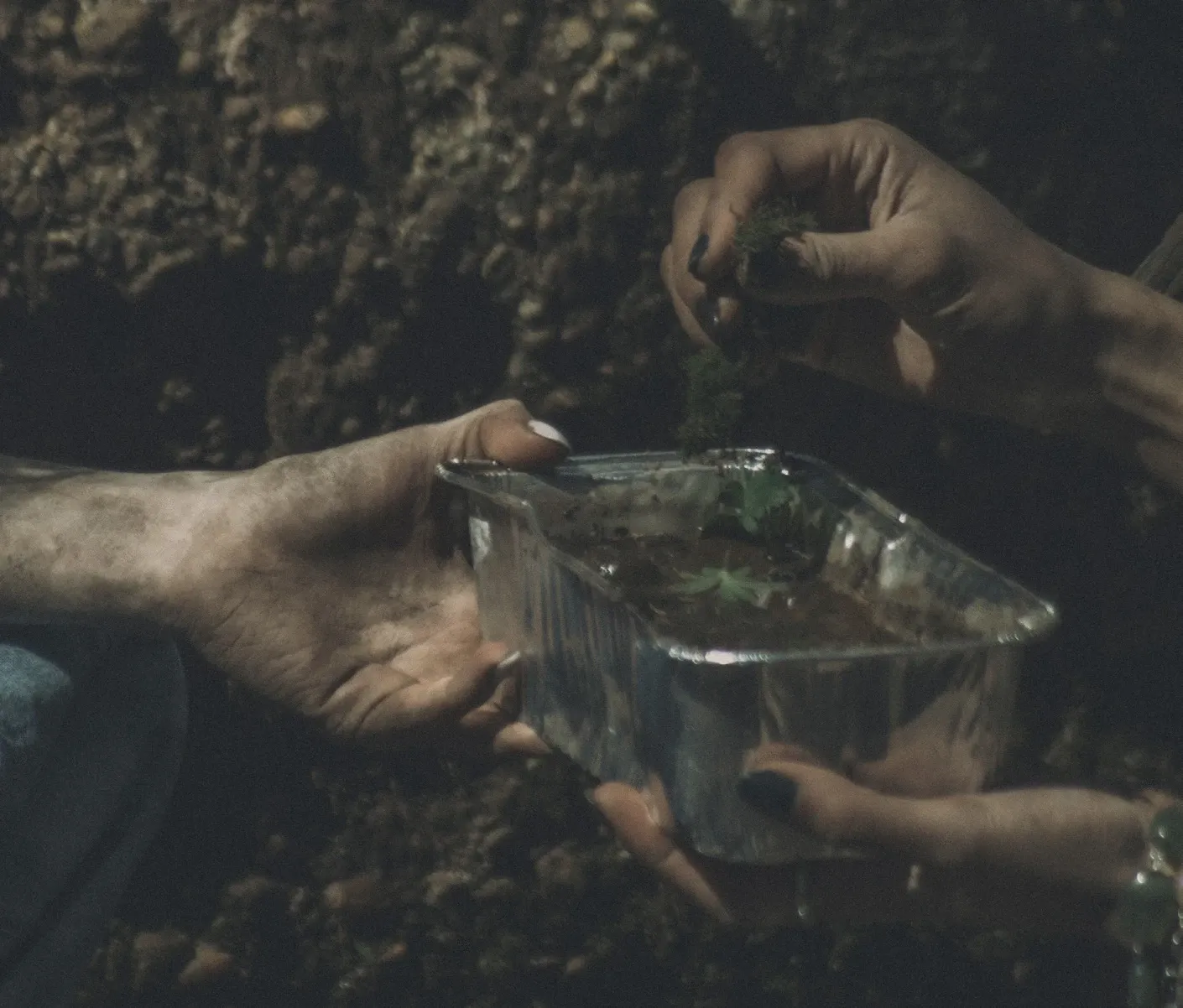
Holding onto that mindset isn’t about rejecting growth, but about remembering that not everything needs to be controlled to be meaningful. There’s a kind of clarity that exists in mess, in spontaneity, in moments that aren’t curated or perfected. And maybe part of growing up is learning how to return to that space—to carry a piece of that shamelessness with us. To allow ourselves, every so often, to exist as we once did: unpolished, present, and completely unafraid to leave a mark.
The mud in this shoot is more than material, it becomes symbolism towards youthfulness and authenticity
Polished For Display
Somewhere along the way, that relationship with mess begins to change. As we grow up, we are slowly taught that being clean, controlled, and put together is a kind of social currency. In a world shaped by curated social media feeds and constant self-presentation, we learn to edit ourselves. We smooth our skin, filter our faces, and carefully construct versions of ourselves that appear effortless and composed. The parts of us that feel too raw, too messy, too human, become sheltered, sometimes lost in the dirt below us.
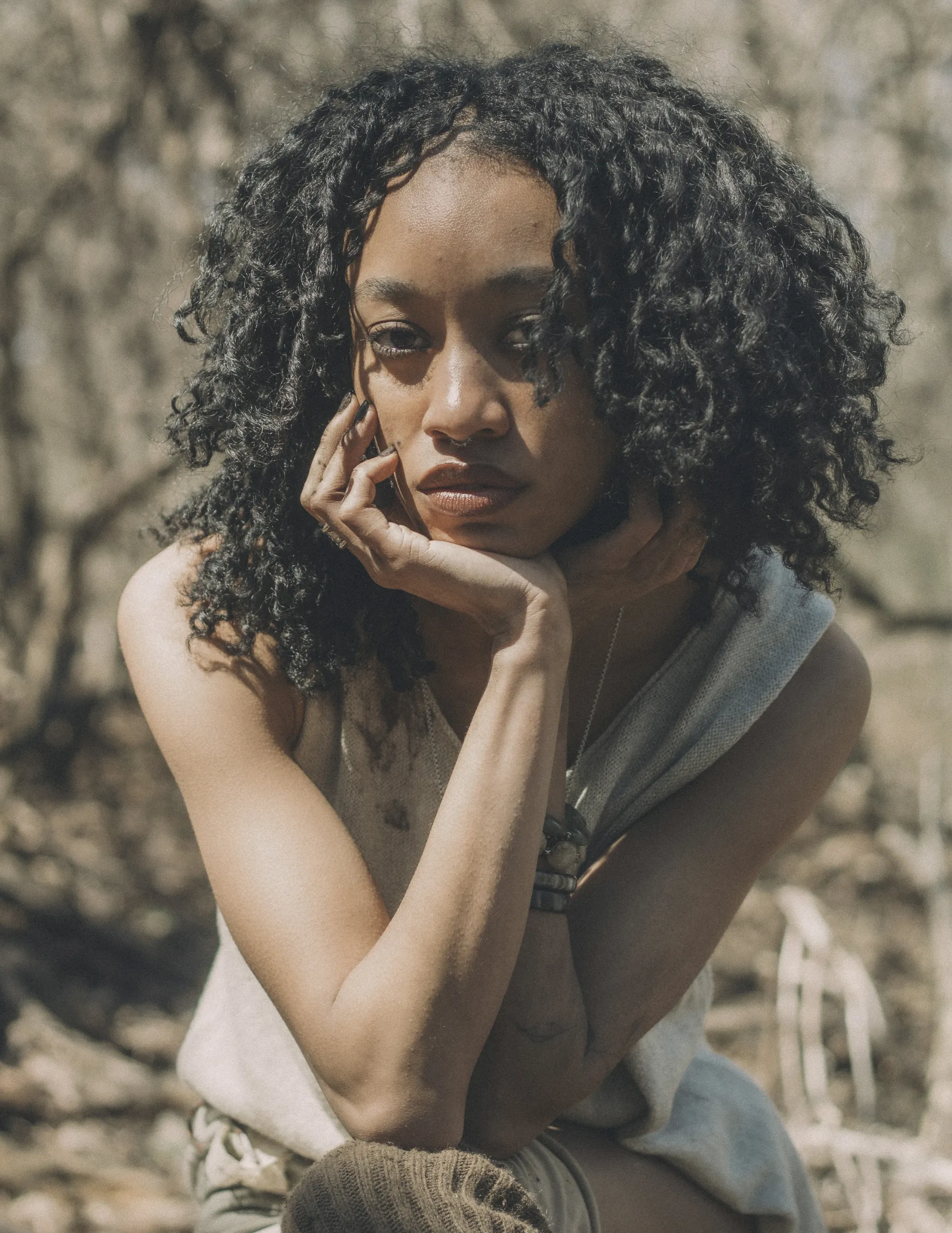
Over time, this shift becomes internalized. It’s no longer just about how others see us, it begins to shape how we see ourselves. We catch ourselves anticipating judgement before it even arrives. There is a quiet pressure to maintain a version of ourselves that feels digestible. We edit ourselves in real time conversations, re-read messages a thousand times to make sure they sound “right,” delete and rewrite posts that didn’t land the way we hoped. Even in everyday moments such as taking a photo, meeting someone new, or even walking into a room—we become subconsciously aware of how we’re being perceived. It’s faint, but constant, and always there. We hesitate before posting, before speaking, before creating, asking ourselves not only if something is true to us, but if it is acceptable, impressive, or aligned with the version of ourselves we are trying to maintain. As time goes on, authenticity begins to feel like something we have to perform. What used to feel natural starts to feel a little rehearsed, like we’re always one step away from just being.
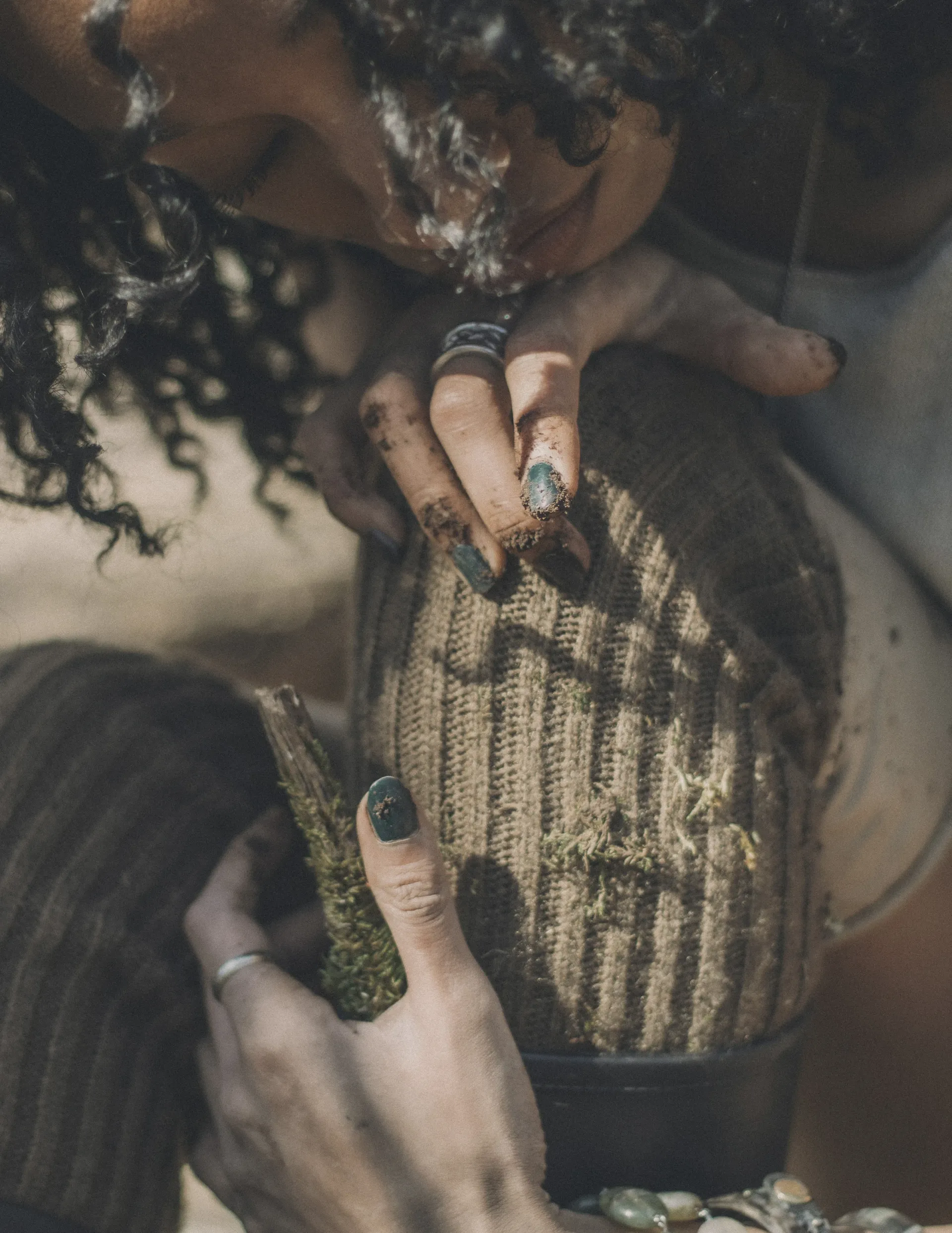
And yet, something of that earlier version of us never really leaves. It shows up in fleeting, almost accidental ways: when we laugh without thinking, when we say something without filtering it first, when we get absorbed in something so completely that we forget to perform at all. In those moments there’s a sense of familiarity, like meeting ourselves again after a long time apart. It’s not forced or polished, but instinctive, the way things used to feel before we learned to overthink them. For a brief moment, we return to that quieter state of being—not as something we have to recreate, but as something that was always there, waiting underneath everything we’ve learned to become.
Reclaiming Mess As Meaning
We return to that childhood memory as a quiet act of resistance. The mud in this shoot is more than material, it becomes symbolism towards youthfulness and authenticity. It asks us what we might rediscover if we allowed ourselves to be a little less controlled and a little more present. It brings us back to when imperfection was once something we carried proudly, not something we felt the need to erase.
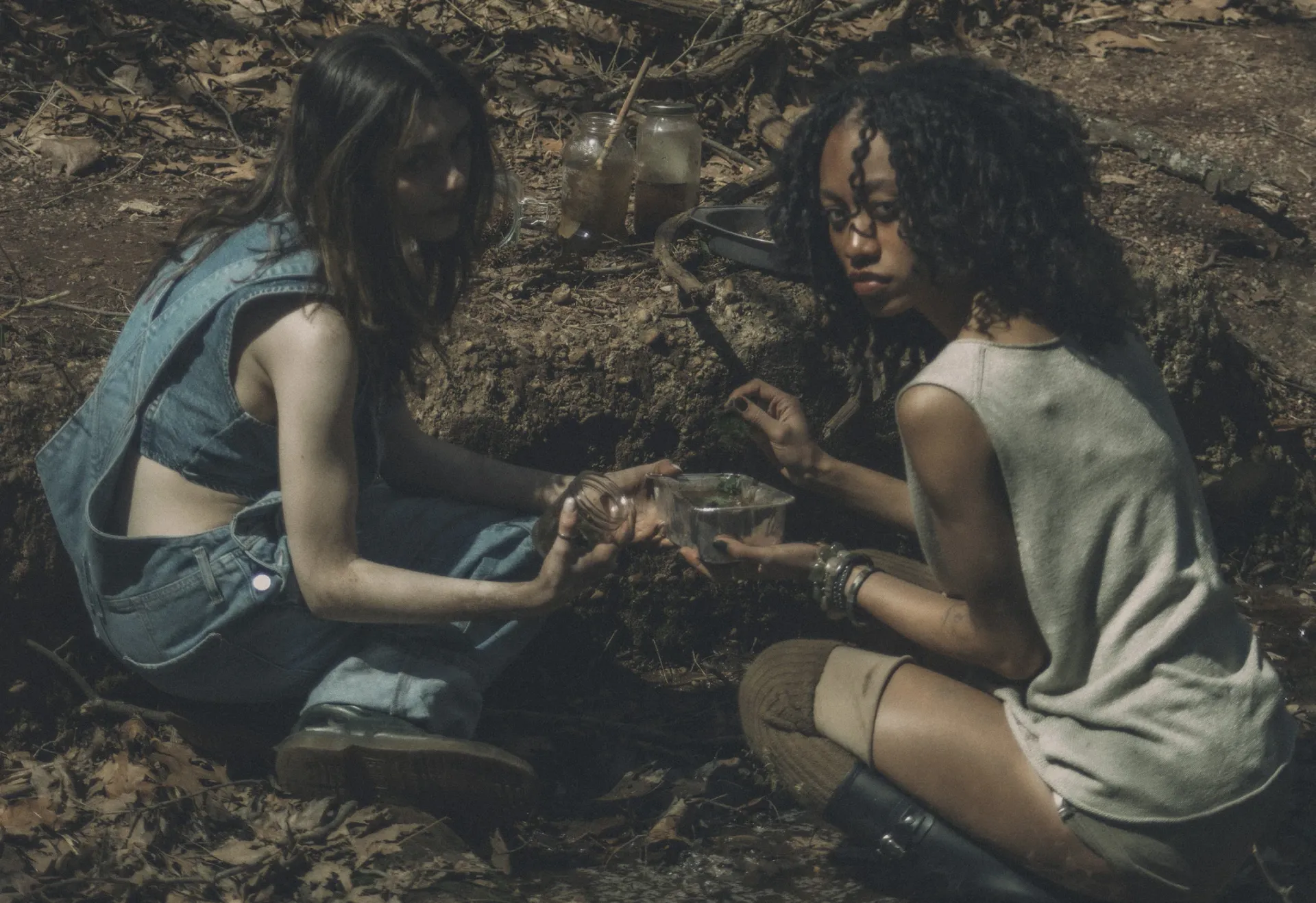
“Mud Pies” invites the viewer to sit with that memory for a moment. It celebrates the joy of getting a little dirty, to remember what it felt like to create without worrying about how we would be perceived. To remember that sometimes the most honest, beautiful parts of being human are the ones that leave a little dirt on our hands.